
HEART VALVE TEXTILE COMPONENTS
The textile interface. The critical detail.
Both components create a textile interface for implantation. Their supporting forms, coverage and seams require different construction logic.
Explore the two components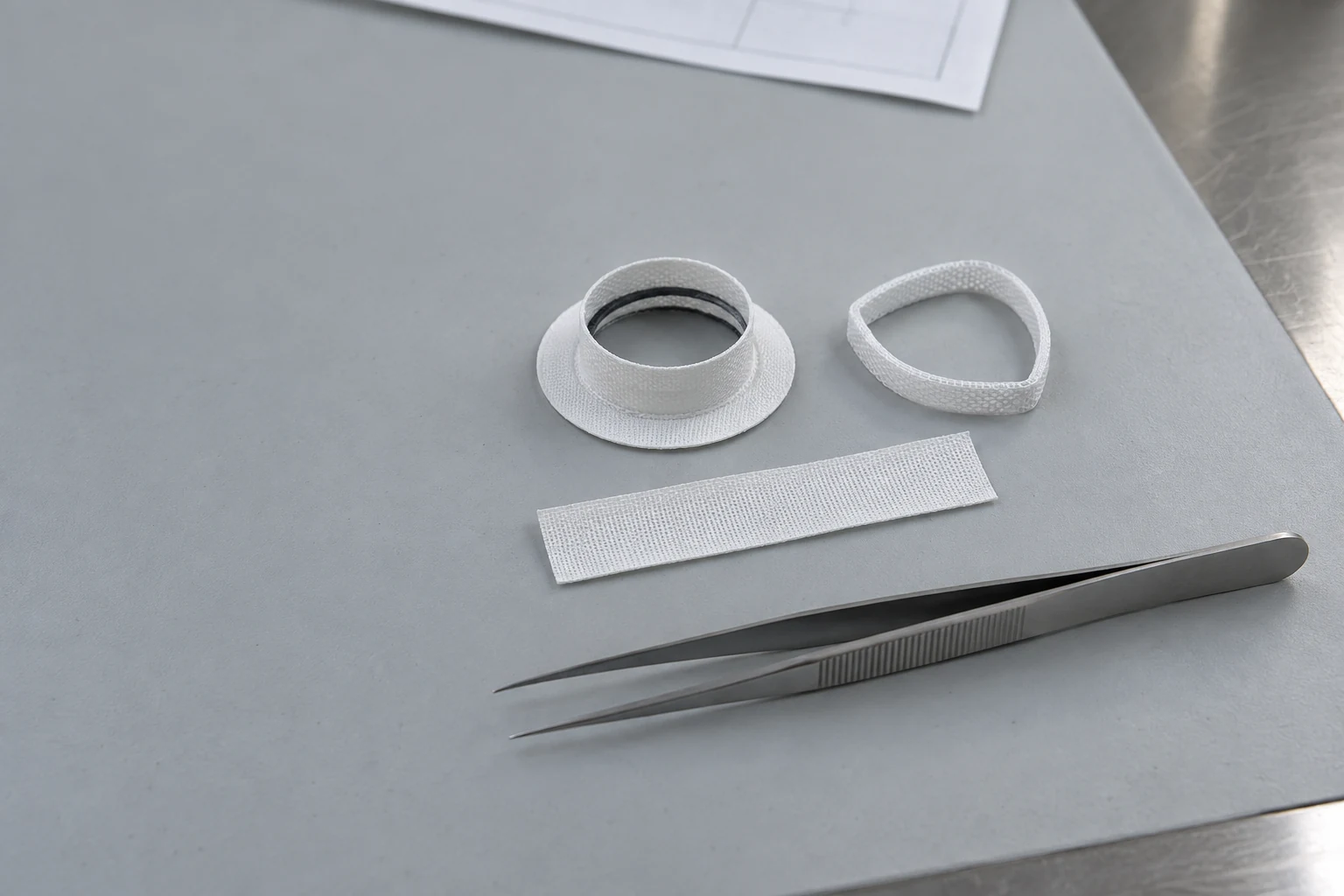
INTERACTIVE COMPONENT STUDY
Two components. Two surgical roles.
Select a detail to see how the geometry, textile and seam work together. The study illustrates the construction principles.
Comparison of a mechanical valve sewing cuff and an annuloplasty ring covering
Two conceptual medical textile component drawings share one material field and separate into replacement and repair paths.
Annuloplasty ring covering
A broad textile margin around a rigid circular support gives the surgeon a surface for implantation sutures.
THE SURGICAL INTERFACE
The textile is where the surgeon works.
During implantation, sutures pass through the textile to secure the replacement valve or repair ring to heart tissue. Coverage and seam placement therefore belong to the function of the component.
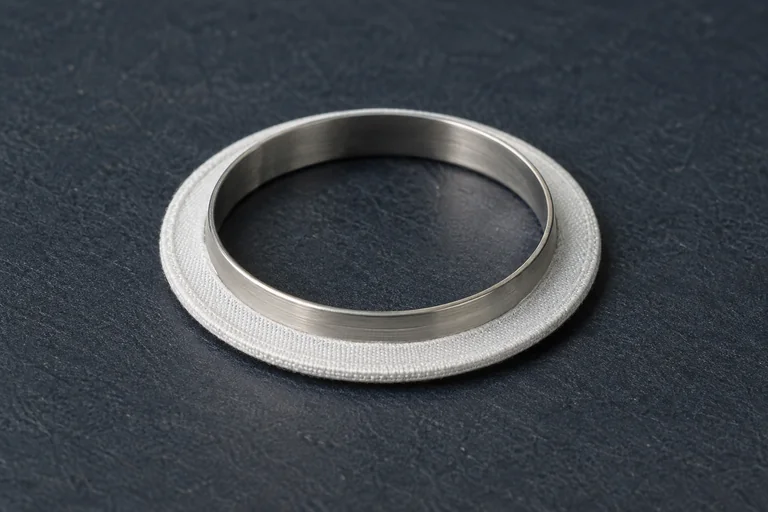 Valve replacement
Mechanical valve sewing cuff
A broad textile margin around a rigid circular support gives the surgeon a surface for implantation sutures.
Study this component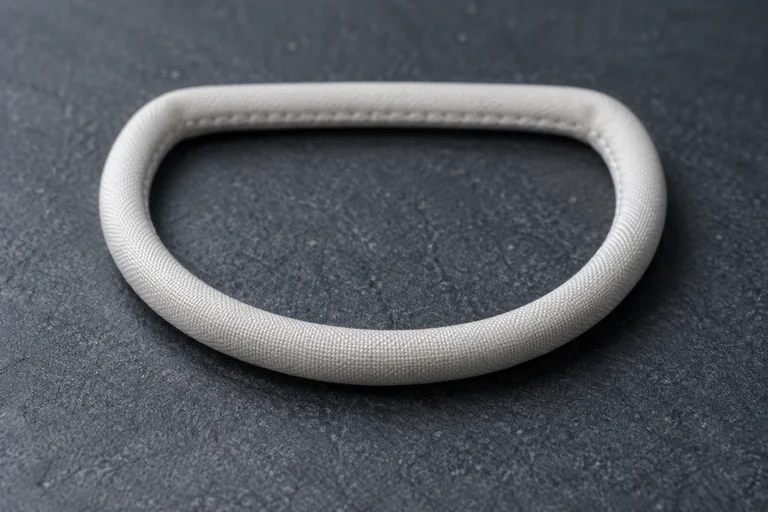 Valve repair
Annuloplasty ring covering
A close fitted textile covering follows a contoured support and places the seam around its defined geometry.
Study this componentA WIDER COMPONENT REVIEW
Start with the drawing and the textile work.
AJSM can review other sewn medical device components where textile must fit a defined support, carry sutures or follow a controlled seam.
- GeometryWhat support or form must the textile follow?
- MaterialWhich textile and supporting materials are already specified?
- AssemblyWhere must coverage and seam placement be controlled?
- InspectionWhich visual and dimensional criteria define acceptance?