
Quick answer
A useful brief explains the component, the current starting point and the next decision. It clearly separates approved information from work that still needs development.
Scope of this guide: This guide helps technical, quality and supply teams prepare a first manufacturing discussion. It does not replace a controlled drawing, contract, quality agreement or approved programme plan.
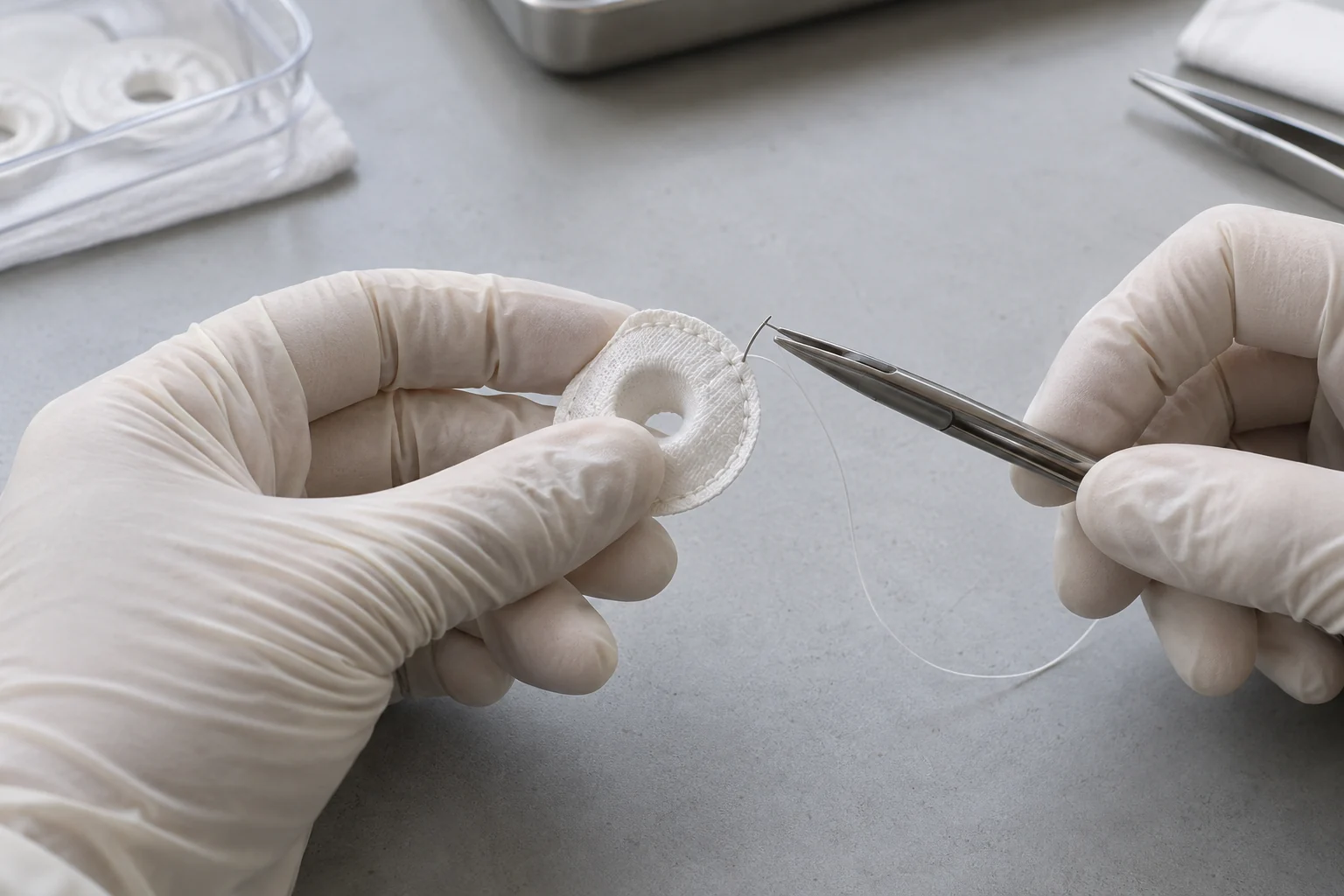
What do you need the manufacturer to do?
Open with a short description of the component and its purpose. Say whether you need a second source, a process transfer or support for a new design.
Name the next decision. You may need a feasibility review, a list of missing inputs or a plan for sample work. A clear decision gives the brief a useful end point.
Which technical files should you share?
List the current drawing, specification and instruction numbers with their revisions. Include the support, textile, thread and other parts. State who will supply each item.
Describe the process you have today. If only a drawing exists, say that method, fixture and training work is still needed. Protect restricted files through the agreed confidentiality process.
How will the first samples be judged?
List each important visual check and measurement. Give the pass or fail limit when it exists. If a method is still open, name the owner of that decision.
ISO 13485 provides quality-management context for medical-device work. It does not create one standard enquiry form for every component.
Sources: ISO — ISO 13485: quality management for medical devices
Use this manufacturing brief checklist
Keep estimates separate from approved requirements. State which dates and quantities are targets.
- Component purpose, drawing number and current revision.
- Materials and parts, with the planned supplier for each.
- Current process, fixtures, tools and training information.
- Inspection methods, acceptance criteria and required records.
- Sample quantity, expected order range and target dates.
- Open decisions, named owners and the next review step.
Source notes
Sources and further reading
- ISO — ISO 13485: quality management for medical devices
ISO explains the purpose and scope of ISO 13485. The practical checklists in this guide are AJSM suggestions, not text from the standard.